
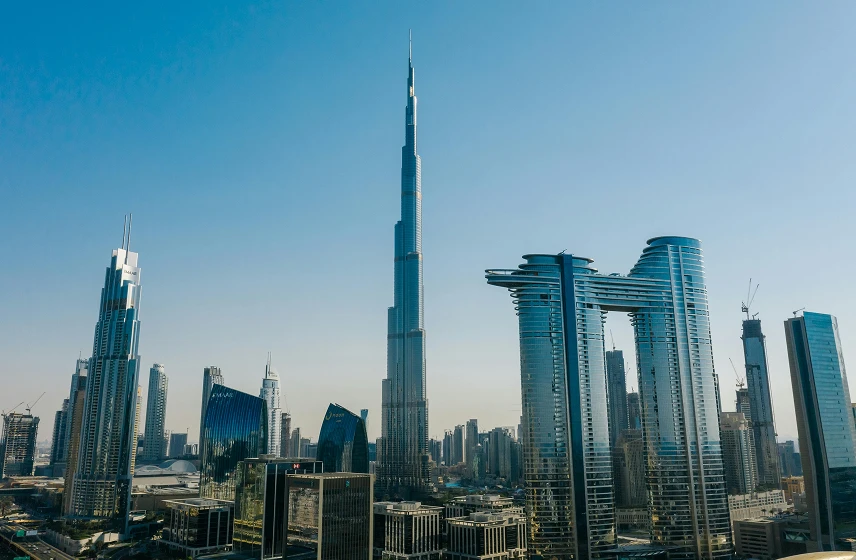
The UAE real estate market entered 2026 as one of the most dynamic property markets on the planet, riding five years of consecutive growth. Then, in the space of days, the Iran-US-Israel conflict brought missiles to Emirati soil and rattled the city's foundational narrative: that Dubai and Abu Dhabi are the safest places to own property in the Middle East. Here are the biggest challenges the industry now faces, and what they mean for buyers, sellers, and investors.
Challenge 1: The Safe Haven Narrative Under Stress
Dubai's premium as a global wealth destination has always rested on perceived safety. When that perception fractures, even temporarily, the cost to the property market is immediate. Jim Krane, a fellow at Rice University's Baker Institute, put it starkly: 'The US-Israel war on Iran is upending that crucial aura of security in Dubai.' (CNBC, March 2026) Rebuilding that narrative will take time, and during that period, some international buyers will delay decisions. Luxury projects that once sold out within hours at launch may now face a slower absorption cycle.
Challenge 2: Developer Bond Market Disruption
This is arguably the most underreported challenge facing the UAE property industry. UAE corporate bonds have become the worst performers in emerging markets in March 2026, with real estate names suffering the heaviest losses, according to Bloomberg data. Six dollar-denominated property bonds in the region are trading at distressed levels, a spread of over 1,000 basis points above the risk-free rate. That represents approximately 15% of all dollar real estate bonds in the Middle East. (Bloomberg, March 24, 2026) When bond markets close to new borrowing, developers face financing constraints that can delay or cancel projects.
Bloomberg (March 24, 2026): Bonds issued by two Dubai property developers have fallen into distressed territory, with investor concern mounting over credit quality and refinancing risks as the war in the Middle East rolls on.
Challenge 3: Oversupply Risk in a Softening Demand Environment
JPMorgan warned that Dubai's demographic expansion is unlikely to absorb the 300,000-400,000 new units expected by 2028. Even before the conflict, supply was running ahead of population growth. Now, with some international buyers adopting a wait-and-see approach, the risk of a supply overhang is more real. Emaar Properties and Aldar Properties, the UAE's two biggest listed developers, both saw shares fall approximately 5% in the early weeks of the conflict. (Outlook Luxe, March 2026)
Challenge 4: Buyer Psychology Shift
The market's most immediate challenge is psychological. As LuxuryProperty.com (March 2026) noted: 'Buyers are less rushed. They are more analytical. They want to understand how a property might behave if the conflict drags on.' This shift from a seller's market to a buyer's market, where time and negotiating leverage shift in favour of purchasers, changes how agents, developers, and sellers must operate. Sellers who price as if it's still early 2025 will face extended marketing periods.
Challenge 5: Tourism and Short-Term Rental Income Pressure
Dubai's economy and the short-term rental market are intertwined with tourism. Hotel bookings have fallen since the conflict began. The Dubai Tourism sector, which had 17.15 million overnight visitors in 2023, faces near-term headwinds. For investors relying on platforms like Airbnb for yield, occupancy rate assumptions made six months ago may need to be revisited.
The Resilience Factors That Remain
Despite these challenges, key structural strengths persist: escrow-backed project protections for off-plan buyers, Abu Dhabi's $900 billion sovereign backstop, the UAE's zero income tax, Golden Visa incentives, and a government that has repeatedly demonstrated its commitment to market stability. Mohammed Ali Yasin, CEO of Ghaf Benefits in Abu Dhabi, offered a measured take: 'The real effect on real estate will be seen in demand once the conflict settles.' (Outlook Luxe, March 2026)
Sources: CNBC (March 2026), Bloomberg (March 24, 2026), Outlook Luxe / JPMorgan (March 2026), LuxuryProperty.com (March 2026), APIL Properties (March 2026).