From desert to global city

Dubai's growth into a global real estate investment hub was never accidental. Each stage of its development, from the discovery of oil to the introduction of foreign freehold ownership, was a deliberate step toward building an economy that could outlast its natural resources. Real estate has been at the centre of that plan for over two decades, turning Dubai from a regional trading post into one of the world's most active and fastest-growing property markets.

1833 – Stephenson Browne

1833

Dubai is established under the leadership of the Al Maktoum family, after the Bani Yas tribe settled along the Dubai Creek. This period laid the foundation for Dubai's identity as a trading settlement, with the creek serving as a natural harbour for merchants moving goods between the Gulf, India, and East Africa, and the earliest roots of the trade-driven economy that still shapes Dubai real estate today.
Late 1800s to early 1900s

Dubai grows into a regional trading hub, known for its pearling industry and its role as a free port that welcomed merchants from Persia, India, and beyond. Sheikh Maktoum bin Hasher's decision to waive certain trade taxes drew merchant families to settle permanently along the creek, setting the tone for the open, business-friendly, tax-free environment that continues to attract international property investors to Dubai today.

Late 1800s to early 1900s – Stephenson Browne
1966 – Stephenson Browne

1966

Oil is discovered off Dubai's coast. Unlike some of its neighbours, Dubai used its comparatively modest oil revenues to fund infrastructure rather than rely on oil as a long-term economic base. This decision to reinvest early income into ports, roads, and urban development is often cited as the starting point for Dubai's diversification strategy, one that would eventually make real estate and tourism, not oil, the backbone of the Dubai economy.

1971

The United Arab Emirates is formed, with Dubai as one of the founding emirates alongside Abu Dhabi and five others. Federal stability, combined with Dubai's continued investment in infrastructure such as Port Rashid and the Dubai World Trade Centre, set the stage for the rapid international investment and property development that would follow in the decades ahead.

1971 – Stephenson Browne
1985 – Stephenson Browne

1985

Emirates airline is founded, and Jebel Ali Free Zone opens as one of the first initiatives to allow full foreign business ownership in a designated area. This early experiment in opening the Dubai economy to international investors became the model for the freehold real estate laws that would follow nearly two decades later, and it marked Dubai's first serious move toward becoming a global investment destination rather than a purely regional one.

2002

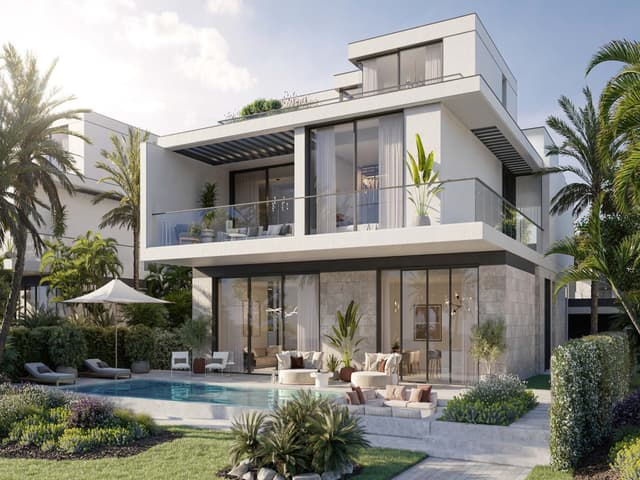
Dubai issues its freehold property law, allowing foreign nationals to buy, sell, and own property outright in designated freehold areas for the first time. This single piece of real estate legislation reshaped the Dubai property market. Emirates Hills, Palm Jumeirah, and Arabian Ranches were among the first freehold communities, and the law opened the door to the international buyers who now make up a significant share of Dubai property investment. The 2002 freehold decree remains the single most important milestone in the history of Dubai real estate, and it is the reason foreign nationals can buy apartments, villas, and townhouses in Dubai today.

2002 – Stephenson Browne
2004 to 2010 – Stephenson Browne

2004 to 2010

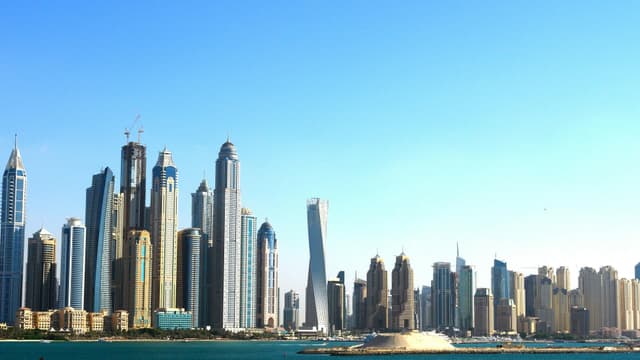
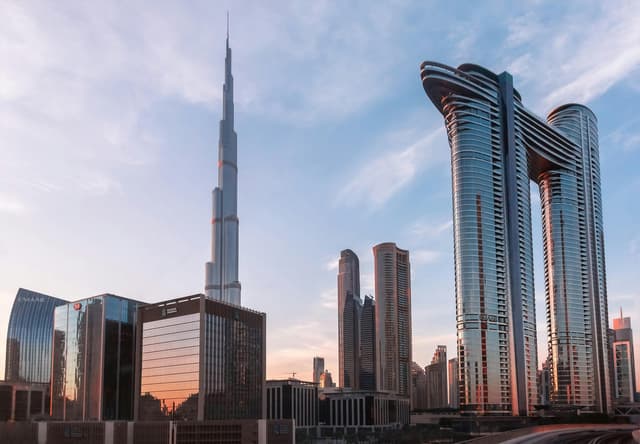
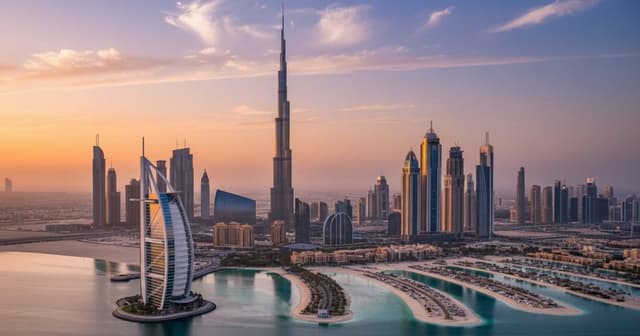
Palm Jumeirah is launched and the Burj Al Arab redefines Dubai's global image as a symbol of luxury real estate and architectural ambition. Property development accelerates rapidly across the city, and in 2010 the Burj Khalifa is completed, becoming the tallest building in the world at 828 metres and anchoring Downtown Dubai as the city's new commercial and residential heart. This period also included the 2008 global financial crisis, a correction that ultimately led to stronger regulation of Dubai's off-plan property market and greater buyer protections that still shape real estate transactions today.

2020 to 2021

Dubai hosts Expo 2020, delayed a year by the pandemic and eventually welcoming millions of visitors from October 2021 to March 2022. The event accelerated infrastructure investment across the city, including the Route 2020 metro extension, and introduced Dubai to a new global audience at exactly the moment remote work was reshaping where people chose to live and invest. The years following Expo 2020 saw one of the strongest periods of property demand and price growth in Dubai's real estate history.

2020 to 2021 – Stephenson Browne
2022 to today – Stephenson Browne

2022 to today

Dubai expands its Golden Visa programme, lowering the property investment threshold and making long-term UAE residency more accessible to foreign property owners. Combined with continued infrastructure growth, new master-planned communities, and sustained demand from international buyers, Dubai has entered its most mature phase yet as a global property investment market, one built on the same foundations laid by the freehold law of 2002 and the decades of planning that came before it.

FAQs

Foreign nationals have been able to buy freehold property in designated areas of Dubai since 2002, when the government issued its freehold property law. This opened the market to international buyers for the first time and remains the legal foundation for foreign property ownership in Dubai today.

Dubai combines a tax-free property market, no annual property tax, freehold ownership for foreign nationals, strong rental yields, and a Golden Visa route to long-term residency through property investment. Decades of infrastructure investment, from Expo 2020 to the ongoing metro expansion, have reinforced Dubai's position as a global property investment hub.

Emirates Hills, Palm Jumeirah, and Arabian Ranches were among the first freehold communities designated after the 2002 law, giving foreign buyers their first opportunity to own property outright in Dubai.

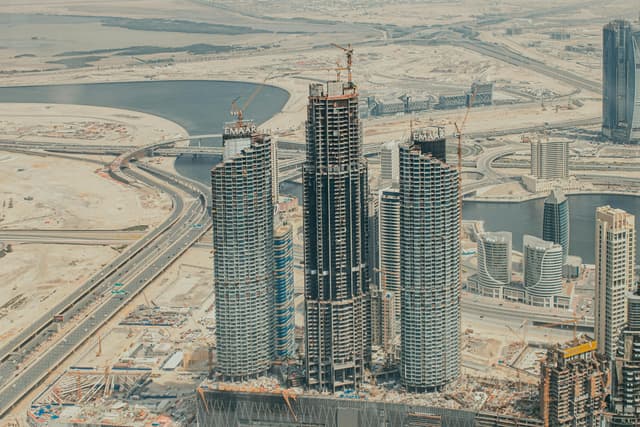
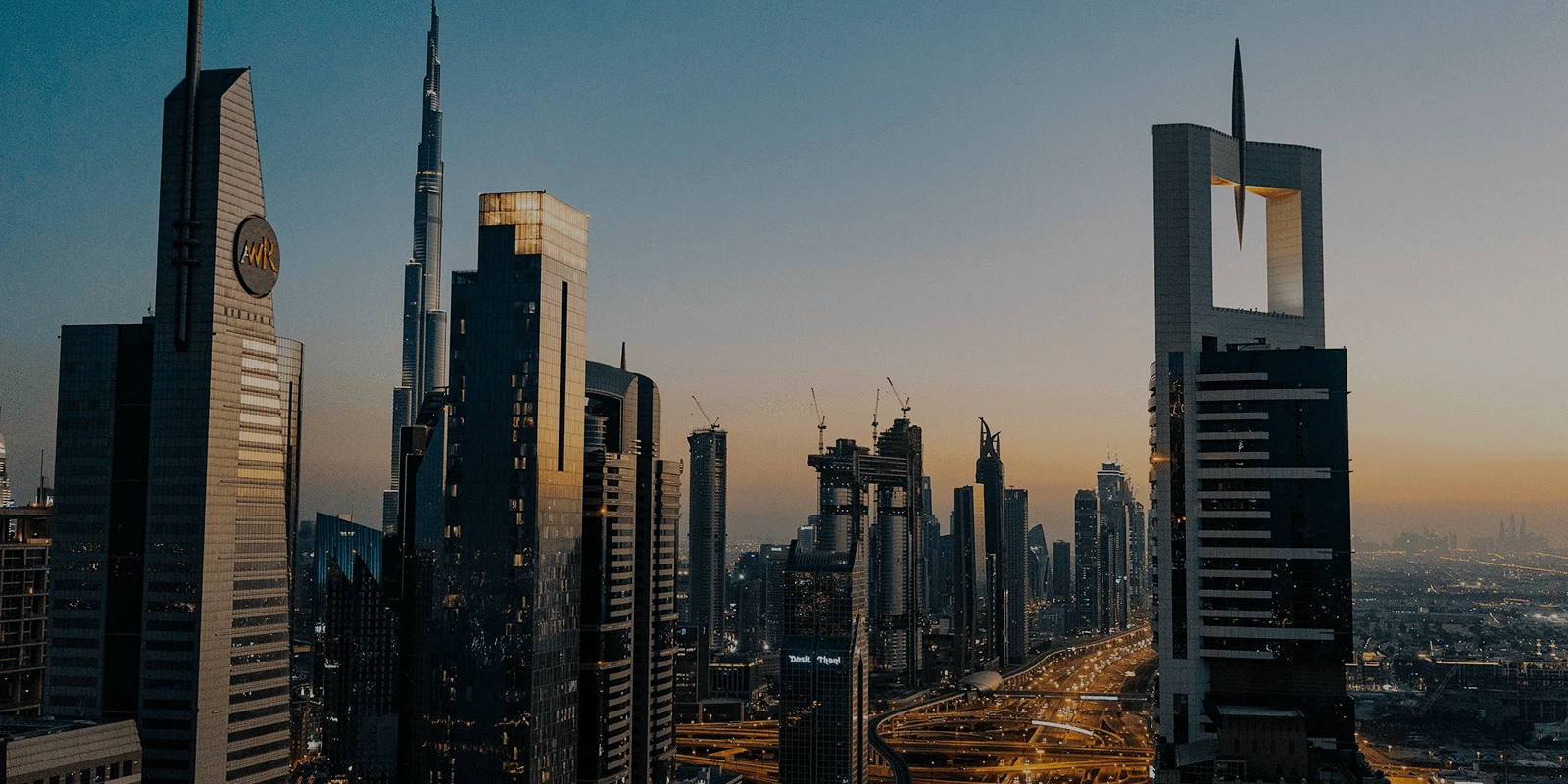
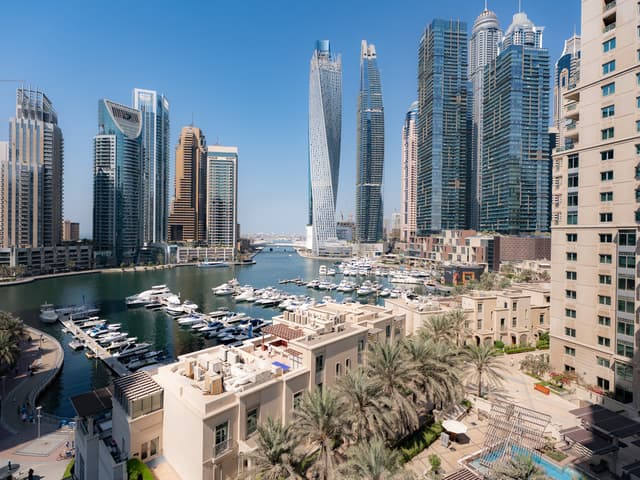
Since the Burj Khalifa was completed in 2010, Downtown Dubai has grown into the city's principal commercial and residential hub, and the wider skyline has expanded to include major waterfront and master-planned communities such as Dubai Creek Harbour, Dubai Hills Estate, and Meydan.

Let’s connect

From a fishing village on the Dubai Creek to one of the world's most sought-after real estate markets, Dubai's history is inseparable from its property story. Whether you are exploring your first Dubai property purchase or adding to an existing investment portfolio, our team can help you understand where a specific neighbourhood fits into that story and what it means for your investment today.